Managing Infrastructure Risks with Contractors All Risk Insurance
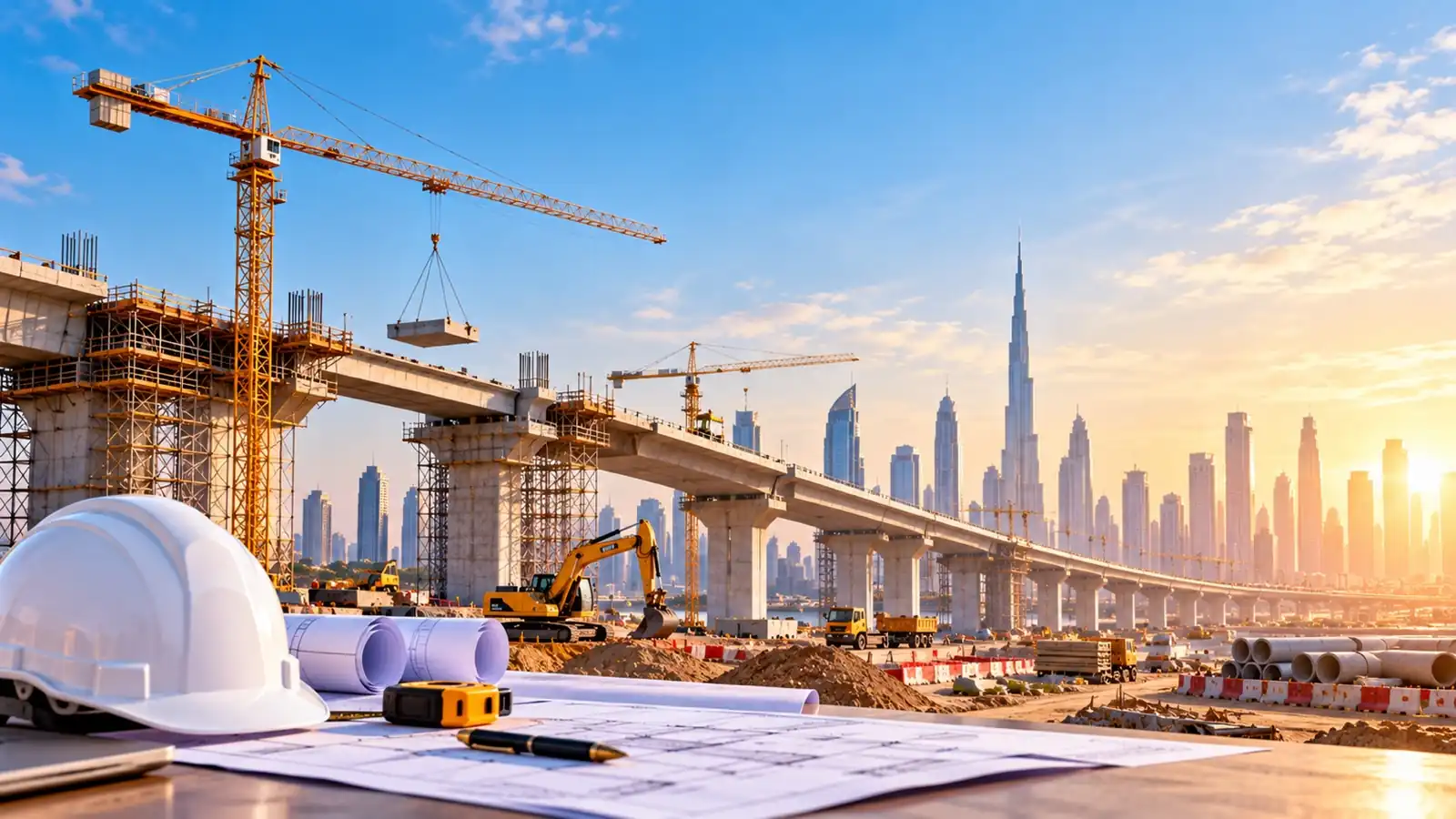
Large-scale infrastructure projects play a vital role in supporting economic growth, urban development, and public services. Roads, bridges, airports, rail networks, power plants, ports, and utility systems require significant investments, extensive planning, and years of execution. These projects often involve multiple contractors, sophisticated equipment, large workforces, and substantial financial commitments.
While infrastructure developments create long-term benefits for communities and economies, they also face a wide range of risks during construction. Unexpected incidents such as accidents, equipment damage, natural events, or third-party liabilities can lead to costly delays and financial losses. This is where Construction All Risk (CAR) Insurance becomes an essential component of project risk management.
CAR Insurance provides comprehensive protection for infrastructure projects by covering a broad range of construction-related risks and helping stakeholders manage uncertainties throughout the project lifecycle.
Infrastructure projects differ significantly from standard construction developments due to their size, complexity, and duration.
Examples include:
Highways and road networks
Bridges and tunnels
Airports and seaports
Rail and metro systems
Power generation facilities
Water treatment plants
Oil and gas infrastructure
Telecommunications networks
These projects often involve multiple stakeholders, including government agencies, developers, contractors, subcontractors, consultants, and investors.
Given their scale and complexity, effective risk management becomes a critical requirement.
Large infrastructure projects operate in challenging environments where numerous factors can impact progress.
Common risks include:
Accidental damage to ongoing construction work
Equipment and machinery breakdowns
Theft of construction materials
Fire and explosion incidents
Design and execution errors
Natural disasters and adverse weather conditions
Third-party property damage
Bodily injury claims
Project delays and disruptions
The financial impact of these incidents can be significant, making comprehensive insurance protection essential.
Construction All Risk Insurance is a specialized policy designed to protect construction projects against a wide range of physical loss or damage during the construction period.
Unlike traditional insurance policies that focus on specific risks, CAR Insurance provides broad coverage for unforeseen and accidental events affecting the project.
Compare Contractors All Risk Insurance for construction projects.
The policy is typically purchased by:
Project owners
Main contractors
Developers
Engineering firms
Infrastructure investors
Its objective is to minimize financial losses and support project continuity when unexpected incidents occur.
Infrastructure projects involve substantial investments in materials, machinery, and equipment.
Examples include:
Heavy earthmoving machinery
Cranes and lifting equipment
Specialized construction vehicles
Electrical and mechanical systems
Structural components
Damage or loss involving these assets can result in significant repair or replacement costs.
CAR Insurance helps cover these losses, allowing projects to recover quickly and maintain progress without severe financial disruption.
One of the primary benefits of CAR Insurance is protection against accidental physical damage to the project itself.
Coverage may include:
Structural damage during construction
Collapse of partially completed works
Fire-related losses
Damage caused by construction activities
Impact damage from machinery or equipment
For infrastructure projects where construction values often reach millions or even billions of dirhams, this protection is particularly important.
Infrastructure projects frequently operate near residential areas, commercial zones, transportation routes, and public spaces.
Construction activities may unintentionally cause:
Damage to neighboring properties
Injury to members of the public
Disruptions to utilities and services
CAR Insurance often includes third-party liability coverage that helps address legal expenses, compensation claims, and settlement costs arising from such incidents.
This protection helps safeguard both project finances and stakeholder reputations.
Large-scale infrastructure projects are exposed to environmental and weather-related risks throughout their construction phase.
Potential threats include:
Flooding
Storms
Heavy rainfall
Sandstorms
Ground movement
Extreme temperatures
Such events can damage ongoing work and delay project completion.
CAR Insurance provides financial protection against covered losses, helping projects recover more efficiently from unforeseen natural events.
Infrastructure projects are often delivered under strict contractual deadlines and budget requirements.
Compare Contractors All Risk Insurance for complete project protection.
Unexpected incidents can lead to:
Construction delays
Increased labor costs
Material replacement expenses
Contractual penalties
By providing financial support following covered losses, CAR Insurance helps minimize disruptions and enables contractors to resume work as quickly as possible.
This contributes to improved project continuity and operational resilience.
Infrastructure developments involve significant investments from governments, financial institutions, developers, and private investors.
Comprehensive insurance coverage demonstrates that project risks are being managed responsibly.
Stakeholders gain confidence knowing that financial protection is in place to address unforeseen incidents and reduce exposure to major losses.
This can improve financing opportunities and strengthen relationships among project participants.
Many infrastructure contracts require contractors and developers to maintain adequate insurance coverage before construction begins.
CAR Insurance often forms an essential part of project documentation and risk management planning.
Maintaining proper coverage helps organizations meet contractual obligations while ensuring projects remain compliant with industry standards and stakeholder expectations.
The UAE continues to invest heavily in infrastructure development, including transportation networks, renewable energy projects, smart cities, and large-scale urban expansion initiatives.
As project values continue to increase, the importance of Construction All Risk Insurance grows alongside them.
CAR Insurance helps UAE contractors, developers, and project owners manage risks effectively while supporting the successful completion of critical infrastructure developments that contribute to the nation's long-term growth.
Large-scale infrastructure projects involve substantial investments, complex operations, and a wide range of risks that can impact project success. Accidental damage, equipment losses, natural events, and third-party liabilities can create serious financial challenges if not properly managed.
Construction All Risk (CAR) Insurance provides comprehensive protection that helps safeguard project assets, support business continuity, and strengthen stakeholder confidence throughout the construction process.
For contractors, developers, and project owners involved in major infrastructure developments, CAR Insurance is more than a protective measure—it is a strategic risk management tool that helps ensure projects are completed successfully, efficiently, and with greater financial security.
