
Home Insurance in UAE
Home Insurance in the UAE provides financial protection for both your home structure and your home contents, ensuring that your house, apartment, and personal belongings are covered against risks such as fire, water damage, theft, and natural disasters.
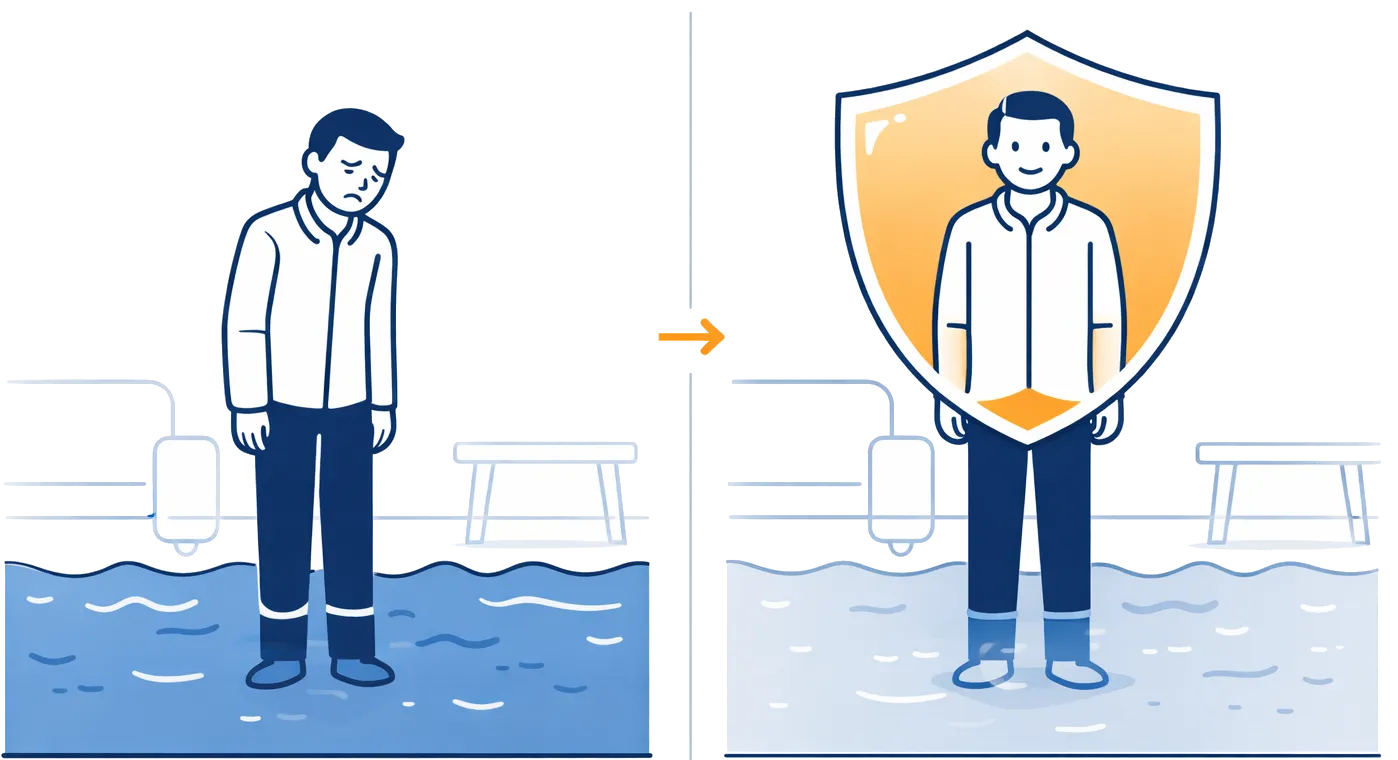
Get Best Home Insurance in UAE
Partners






















Home Insurance UAE
Safeguard Your Property & Everything Inside It
Home Insurance in the UAE provides financial protection for both your home structure and your home contents, ensuring that your house, apartment, and personal belongings are covered against risks such as fire, water damage, theft, and natural disasters.
Whether you own or rent a property, home insurance plays a critical role in protecting your lifestyle, savings, and daily essentials from unexpected losses. In a country where many residents live in rented homes and own high-value household items, home contents insurance is just as important as building insurance.
What Is Home Insurance?
Home insurance is a residential insurance policy that can cover:
- The physical structure of the home (building)
- Home contents such as furniture and electronics
- Personal belongings
- Liability to third parties
Depending on ownership, you may need:
- Only Home Contents Insurance (for tenants)
- Both Building + Contents Insurance (for homeowners)
What Is Home Contents Insurance?
Home Contents Insurance protects everything inside your home, including:
- Furniture
- Televisions and electronics
- Kitchen appliances
- Clothing and personal items
- Laptops and mobile devices
- Curtains, carpets, and décor
If your belongings are damaged or stolen due to insured events, the insurer pays for repair or replacement.
👉 For tenants in the UAE, home contents insurance is the most important type of home insurance.
Why Home Contents Insurance Is Extremely Important
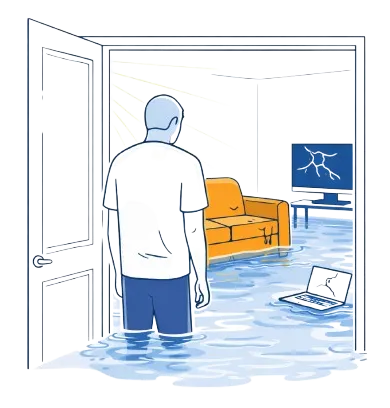
Many people assume their landlord’s insurance will protect their belongings — this is incorrect. Landlord insurance covers the building structure only and does not extend to tenant-owned items.
Landlord insurance does NOT cover:
- Tenant’s furniture
- Electronics and appliances
- Personal items and valuables
Without home contents insurance, you pay for:
- Fire damage
- Water leakage losses
- Burglary and theft
- Accidental damage
Considering the high cost of household items in the UAE, home contents insurance provides significant financial protection at very low annual premiums.
Who Needs Home Insurance in the UAE
Home insurance is essential for property owners, tenants, and investors to protect their homes, belongings, and financial interests in the UAE.
Homeowners
Need building insurance and home contents insurance to protect both the property structure and personal belongings.
Tenants (Most Important Segment)
Need home contents insurance and personal liability cover to protect belongings and cover accidental damage to landlord property.
Landlords
Need building insurance and optional loss of rent cover to protect investment property and rental income.
Property Investors
Need building insurance and landlord liability cover to manage long-term asset protection and exposure.
Whether you own, rent, or invest in property, home insurance helps safeguard your assets, belongings, and financial stability in the UAE.
Types of Home Insurance in the UAE
Home Contents Insurance (Tenant Insurance)
Covers furniture, appliances, electronics, personal valuables, and may include temporary accommodation benefits. Best suited for tenants and shared accommodation residents.
Building Insurance
Covers walls, ceilings, flooring, fixed fittings, plumbing, wiring, and structural components. Ideal for property owners and landlords.
Combined Home Insurance
Covers both building and home contents under a single policy. Best suited for villa owners and apartment owners seeking complete home protection.
What Does Home Insurance Cover
& What Is Usually Not Covered?
Coverage depends on the policy selected. Always review inclusions and exclusions carefully.
What Does Home Insurance Cover?
- Fire & Explosion – Fire outbreaks, electrical short circuits, and gas explosions
- Water Damage – Burst pipes, appliance leakage, and tank overflows
- Theft & Burglary – Forced entry theft and stolen electronics or valuables
- Natural Disasters – Storm damage and flooding (if included)
- Accidental Damage – Optional cover for sudden breakage or mishaps
- Personal Liability – Injury to visitors, damage to neighbour’s property etc..

Protect your home & belongings
Comprehensive coverage for your home, contents, and personal liability in the UAE.
What Home Insurance Does NOT Cover
- Normal wear and tear
- Poor maintenance or neglect
- Gradual deterioration
- Undeclared high-value items (such as jewellery)
- Intentional damage
- Malicious damage

Avoid claim rejection
Declare valuables and understand policy terms to avoid unexpected claim issues.
Home Insurance for Villas vs Apartments
Coverage requirements differ based on property type and ownership responsibility:
Villas
- Higher building coverage required
- Outdoor structures may need additional add-ons
Apartments
- Often require contents insurance only
- Building may already be insured by landlord or building management
Home insurance coverage ultimately depends on ownership responsibilities and the type of property you occupy.
How Home Insurance Premium Is Calculated
Home insurance premiums are calculated based on the property type, value of contents, and selected coverage options to ensure affordable and effective protection.
Property type (villa or apartment)
Contents value insured
Property location
Coverage limits selected
Age and condition of the property
Optional add-ons chosen
Good news: Home contents insurance in the UAE is very affordable and often costs less than basic mobile phone insurance per year.
How to Choose the Right Home Insurance Policy
Before buying home insurance, consider the following:
Replacement Cost of Belongings
Calculate the total replacement value of your furniture, electronics, and personal items to avoid underinsurance.
Ownership or Tenancy Status
Choose contents-only insurance if you are a tenant, or building plus contents cover if you own the property.
Valuable Item Declarations
High-value items such as jewellery, watches, or collectibles must be declared separately for full protection.
Liability Coverage Needs
Ensure sufficient personal liability coverage to protect against accidental injury or damage to third parties.
Insurer’s Claim Settlement Reputation
Choose insurers with a strong track record for fair and fast claim settlement in the UAE.
Choosing the correct coverage helps avoid underinsurance and ensures complete financial protection.
Common Mistakes People Make
Many homeowners and tenants make avoidable mistakes when buying home insurance, which can lead to serious coverage gaps and financial loss.

Assuming landlord insurance covers home contents

Underestimating the value of belongings

Choosing the cheapest policy without checking coverage

Not updating the policy after purchasing new items

Ignoring personal liability protection
Not declaring high-value items separately
These mistakes can lead to major financial loss if a claim occurs.
Home Insurance Claim Process in UAE
If damage or loss occurs, follow these simple steps to ensure smooth claim settlement:
Step 1: Inform the Insurer Immediately
Notify your insurer as soon as the damage occurs.
Timely notification helps avoid claim rejection.

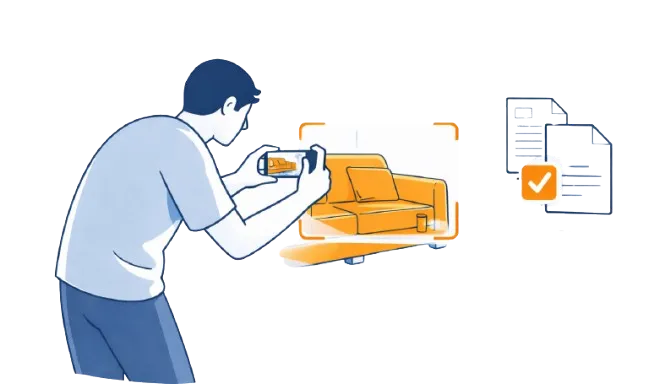
Step 2: Document the Damage
Take clear photos or videos of the damaged items.
Keep invoices, bills, and proof of ownership.
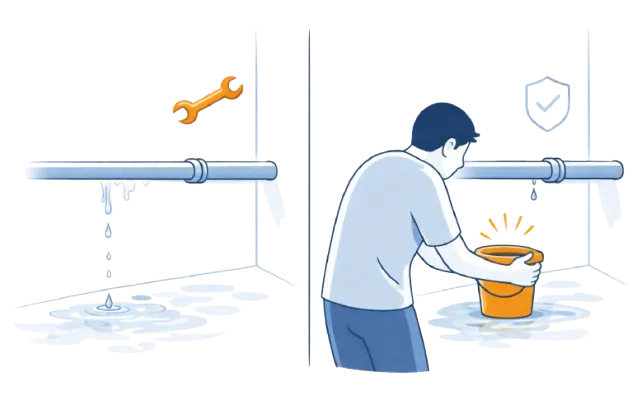
Step 3: Prevent Further Loss
Take reasonable steps to prevent additional damage.
For example, stop water leakage or secure broken areas.
Step 4: Submit Claim & Survey
Submit the claim form along with invoices and photos.
A surveyor inspection may be conducted if required.

Claims are usually settled through repair, replacement, or cash settlement depending on policy terms.
Why Compare Home Insurance in UAE
Comparing home insurance plans helps you:

Get the Correct Coverage
Ensure your home structure, contents, and liability needs are accurately covered.

Avoid Hidden Exclusions
Compare policy wordings to identify exclusions that could affect claims.

Save on Premium
Evaluate multiple insurers to get competitive pricing without sacrificing coverage.

Choose Reliable Insurers
Select insurers with strong claim settlement reputation and service quality.
Platforms like Covermatch allow easy comparison of home and home contents insurance plans across UAE insurers.
Why Home Insurance Is Essential in the UAE

Home insurance provides vital financial protection for residents in the UAE by safeguarding their property, belongings, and personal liability.
Home insurance protects:
- Your savings
- Your belongings
- Your legal liability
- Your peace of mind
A small annual premium can prevent large and unexpected financial loss caused by damage, theft, or liability claims.
You happy. We happy!
SUNDAY CHAUHAN
Seamless Switch to a Better Home Insurance Plan
Covermatch found me excellent home insurance coverage for my apartment at a price far lower than I had been paying. The team was knowledgeable about property insurance requirements in UAE and the switch was completely seamless.
 via Covermatch
LUKA DIOP
Outstanding Home Insurance Service from Anuja
Covermatch Anuja provided excellent advice on home insurance options for my rented apartment. The team explained tenant liability cover clearly and found me a plan that provides comprehensive protection at a reasonable price.
via CovermatchHASSAN DIOP
Best Home Insurance Quote Thanks to Priya
The Covermatch team helped me find home insurance that covered both building and contents for my villa. The quote was competitive and Priya and the team explained all the coverage details clearly. Policy documents were delivered promptly.
via CovermatchFrequently Asked Questions (FAQs)
What is home insurance in the UAE?
Home insurance protects your home, household belongings and, depending on the selected plan, your legal liability against specified risks. Coverage can normally be arranged for the building, its contents, personal belongings or a combination of these. The exact protection, limits and exclusions depend on the insurer and policy wording.
Is home insurance mandatory in the UAE?
Home insurance is generally not legally mandatory for every UAE resident. However, a bank may require building insurance when a property is purchased using a mortgage. Even when it is optional, home insurance can protect homeowners and tenants from significant financial losses caused by covered events.
What does home insurance cover in the UAE?
Depending on the policy, home insurance may cover loss or damage caused by fire, explosion, water leakage, storms, flooding, theft, attempted theft and malicious damage. Optional benefits may include accidental damage, personal belongings, alternative accommodation and personal liability. Always check the policy schedule and wording because coverage varies between insurers.
What is the difference between building insurance and contents insurance?
Building insurance protects the permanent structure of the property, including elements such as walls, ceilings and built-in fixtures, subject to policy terms. Contents insurance protects movable belongings inside the home, such as furniture, appliances, electronics and clothing. Property owners may require both, while tenants normally focus on contents and personal liability cover.
Do tenants need home insurance in Dubai or elsewhere in the UAE?
A landlord’s policy normally protects the building—not the tenant’s personal belongings. Tenants should therefore consider home contents insurance for furniture, appliances, electronics, clothing and other possessions they own. Tenant insurance may also include personal liability and alternative accommodation following an insured event.
Does my landlord’s insurance cover my belongings?
Usually, it does not. A landlord’s building insurance is intended to protect the property and items belonging to the landlord. Your furniture, electronics, clothing and other personal belongings generally require a separate tenant or home contents insurance policy. Confirm the exact arrangement with your landlord and insurer.
Does home insurance in the UAE cover rain and flood damage?
Some UAE home insurance policies cover damage caused by storms, rainwater or flooding, but the scope and exclusions differ considerably. Damage caused by gradual seepage, poor maintenance, known defects or water entering through an open door or window may not be covered. Review the flood, storm and water-damage sections carefully before buying.
Is water leakage covered by home insurance?
Sudden and accidental escape of water from a pipe, tank or fixed appliance may be covered, depending on the policy. Gradual leakage, corrosion, wear and tear and damage resulting from poor maintenance are commonly excluded. Some policies cover the resulting damage but not the cost of repairing the defective pipe or appliance itself.
Does home insurance cover accidental damage?
Accidental damage is not automatically included in every home insurance plan. It may be available as an optional extension covering incidents such as accidentally damaging a television, glass surface or piece of furniture. Limits, excesses and excluded items vary, so compare this benefit separately when requesting quotes.
Are mobile phones, laptops and jewellery covered?
These belongings may be covered inside the insured home under contents insurance, subject to limits and conditions. Protection outside the home may require personal belongings or “all risks” cover. Expensive jewellery, watches, laptops and other valuables may need to be declared individually and supported by invoices, valuations or proof of ownership.
Does home insurance cover theft and burglary?
Many home contents policies cover belongings stolen following forcible or violent entry into the insured property. Claims may require a police report, evidence of entry and proof that you owned the missing items. Theft by household members, employees or visitors—and theft without evidence of entry—may be restricted or excluded.
What is personal liability cover in home insurance?
Personal liability cover may protect you if you become legally responsible for accidentally injuring another person or damaging their property. For example, it may respond when a water leak from your apartment damages the apartment below, subject to the policy terms. It does not cover every dispute or intentional act.
Does home insurance pay for alternative accommodation?
Some policies contribute towards reasonable alternative accommodation when your home becomes uninhabitable following an insured event such as a fire or major water leak. The insurer normally applies a monetary limit or maximum period. Moving out voluntarily or because of routine repairs would generally not qualify.
How much does home insurance cost in the UAE?
The cost depends on whether you insure the building, contents or both; the value and location of the property; the required coverage; previous claims; security features; optional benefits; and the selected excess. Comparing quotations based on the same coverage and limits provides a more meaningful comparison than looking at price alone.
How much home contents insurance do I need?
Estimate how much it would cost to replace all your belongings with comparable new items, not what you originally paid for them. Include furniture, appliances, electronics, clothing, kitchenware and valuables. Selecting an amount below the actual replacement value can leave you underinsured and may reduce the amount paid for a claim.
What does 'new for old' mean in home insurance?
“New for old” generally means that an insured item damaged beyond repair is replaced with a comparable new item rather than reimbursed at its depreciated value. This benefit may not apply to every category of property, and age restrictions can apply. Check the settlement basis in the policy wording.
What is a home insurance excess?
The excess is the portion of an approved claim that you must pay. For example, if an insured loss is AED 5,000 and the applicable excess is AED 500, the insurer may pay AED 4,500, subject to policy terms. Different excess amounts may apply to water damage, floods, accidental damage and other claim types.
What is not covered by home insurance?
Common exclusions may include normal wear and tear, gradual deterioration, poor maintenance, pre-existing damage, pests, mould, unattended-property conditions, intentional acts and undeclared high-value items. Business equipment and commercial activities at home may also require separate protection. Exclusions vary, so the full policy wording must be reviewed.
How do I make a home insurance claim in the UAE?
Contact the insurer or the claims contact shown in your policy as soon as possible. Take reasonable steps to prevent further loss, photograph the damage and retain damaged items unless instructed otherwise. You may need a claim form, police or civil-defence report, invoices, ownership evidence, repair estimates and tenancy or property documents.
How can I compare home insurance quotes through Covermatch?
Provide accurate details about your property, occupancy, required coverage, value of contents, valuable items and previous claims. Covermatch can help you compare available home insurance options from insurance providers based on benefits, limits, excesses and price. The insurer’s policy wording, conditions and exclusions should be reviewed before selecting a plan.
Cover Stories
Your Source for News and Guides
No stories available at the moment.
Please check back soon for the latest Cover Stories.